In 2026, a website is no longer just an online presence—it is a business growth engine. Users today are more informed, impatient, and comparison-driven than ever before. If your website fails to load fast, look modern, or guide users smoothly, they won’t hesitate to leave and choose a competitor.
This is where modern website design plays a critical role. A well-designed website builds trust, improves engagement, increases conversions, and directly impacts your return on investment (ROI). Businesses that treat website design as a long-term asset rather than a one-time task are the ones winning in competitive digital markets.
In this blog, we’ll explore how modern website design in 2026 influences user behavior, SEO, conversions, and ultimately business revenue.
What Is Modern Website Design in 2026?
Modern website design in 2026 goes far beyond visual appeal. It is a combination of design, performance, usability, personalization, and technology working together to deliver value.
A modern website focuses on:
- User-first layouts
- Clean and minimal interfaces
- Fast loading speed
- Mobile-first responsiveness
- Accessibility for all users
- AI-powered experiences
- Conversion-driven structure
In short, modern website design is about how a website works, not just how it looks. Businesses that understand this shift design websites that serve both users and business goals.
How Website Design Impacts Business ROI
Website design has a direct and measurable effect on ROI. A poorly designed website leads to high bounce rates, low engagement, and lost revenue opportunities. On the other hand, modern website design improves ROI by:
- Creating a strong first impression
- Building brand credibility
- Guiding users toward conversion actions
- Reducing customer acquisition cost
- Increasing repeat visits and referrals
Every design choice—colors, layout, navigation, CTA placement—affects user decisions. When design aligns with business objectives, the website becomes a 24/7 sales and marketing tool rather than a static brochure.
Key Website Design Trends in 2026 You Should Know
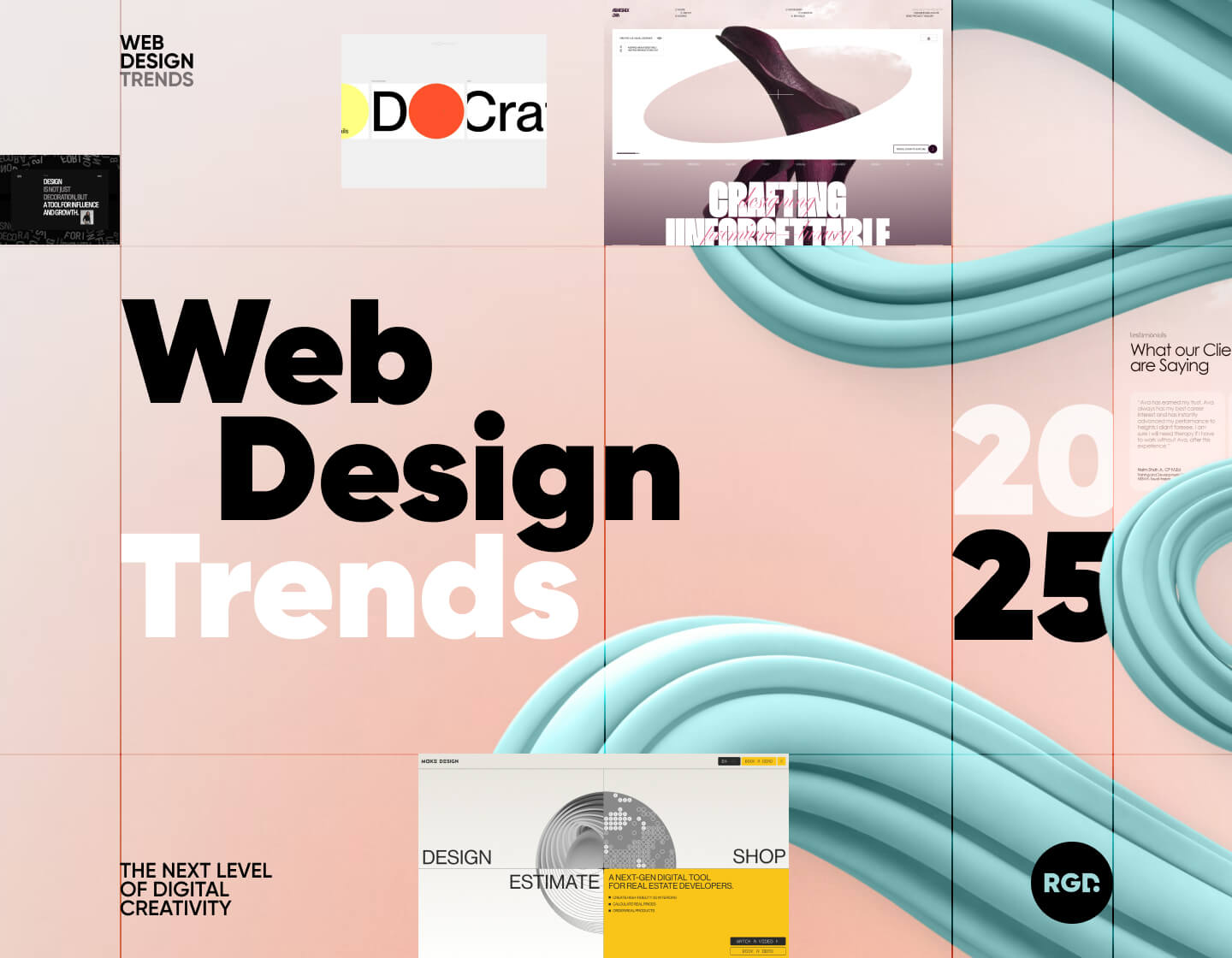
Website design trends in 2026 focus on clarity, intelligence, and performance. Some key trends shaping modern website design include:
- Minimal yet bold layouts
- Dark mode and adaptive themes
- Micro-interactions for better engagement
- Scroll-based storytelling
- AI-driven personalization
- Voice and gesture-friendly interfaces
These trends aren’t just aesthetic updates—they are designed to improve usability, accessibility, and conversions.
Role of AI in Website Design (Chatbots, Smart UX, Automation)
Artificial Intelligence has become a core part of modern website design in 2026. AI allows websites to adapt in real time based on user behavior and preferences.
Key AI applications in website design include:
- AI chatbots for instant support
- Smart content recommendations
- Personalized landing pages
- Predictive user journeys
- Automated design testing
By integrating AI, websites feel more responsive and human. This improves customer satisfaction while reducing operational costs, leading to higher ROI.
UX vs UI in 2026: What Businesses Should Focus On
In 2026, businesses must understand the difference between UX (User Experience) and UI (User Interface).
- UI focuses on how the website looks
- UX focuses on how the website works
Modern website design prioritizes UX over UI. A beautiful website means nothing if users struggle to navigate, understand content, or complete actions.
The best websites balance both:
- UI attracts users
- UX retains and converts them
Businesses that invest in UX-driven modern website design see better engagement, longer session duration, and higher conversion rates.
Importance of Mobile Optimization for Better Conversions
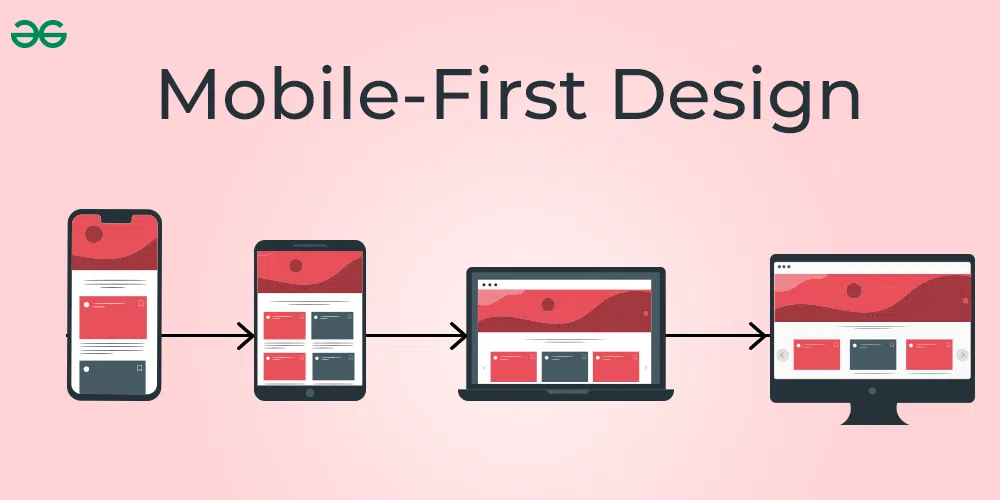
Mobile traffic dominates the internet in 2026. If your website isn’t optimized for mobile users, you’re losing potential customers daily.
Modern website design follows a mobile-first approach, ensuring:
- Touch-friendly navigation
- Readable typography
- Fast mobile loading speed
- Seamless checkout and forms
A mobile-optimized website improves user experience, boosts search rankings, and significantly increases conversion rates—especially for local and service-based businesses.
Mobile traffic dominates the internet in 2026. If your website isn’t optimized for mobile users, you’re losing potential customers daily.
Modern website design follows a mobile-first approach, ensuring:
- Touch-friendly navigation
- Readable typography
- Fast mobile loading speed
- Seamless checkout and forms
A mobile-optimized website improves user experience, boosts search rankings, and significantly increases conversion rates—especially for local and service-based businesses.
How Modern Website Design Improves User Engagement
User engagement is a key performance indicator for online success. Modern website design improves engagement by making interactions intuitive and enjoyable.
Engagement-boosting design elements include:
- Clear visual hierarchy
- Interactive animations
- Personalized content
- Logical content flow
- Strong call-to-action placement
When users enjoy navigating a website, they stay longer, explore more pages, and are more likely to convert. This engagement directly contributes to higher ROI.
SEO-Friendly Website Design Trends in 2026
Search engines now evaluate websites based on user experience and performance, not just keywords.
SEO-friendly modern website design includes:
- Clean code structure
- Optimized images and media
- Logical heading hierarchy
- Fast page load times
- Mobile responsiveness
- Accessibility compliance
Design and SEO are no longer separate strategies. In 2026, websites must be designed with search visibility in mind from the start.
Website Speed, Core Web Vitals & Performance Optimization
Website speed is a critical ranking and conversion factor. Users expect websites to load in under 3 seconds.
Modern website design focuses heavily on:
- Optimized assets
- Efficient layouts
- Lightweight animations
- Core Web Vitals performance
- Server and hosting efficiency
A fast website reduces bounce rate, improves SEO, and increases user satisfaction—all of which positively impact ROI.
Conversion-Focused Design Elements That Increase ROI
Modern website design is conversion-centric. Every page should guide users toward a clear goal.
High-impact conversion elements include:
- Clear and compelling CTAs
- Trust signals and testimonials
- Simplified forms
- Strategic whitespace
- Consistent branding
- Visual storytelling
When design decisions are based on user psychology and data, conversion rates naturally improve.
Common Website Design Mistakes to Avoid in 2026
Even in 2026, many businesses make costly website design mistakes such as:
- Overloading pages with content
- Ignoring mobile users
- Poor navigation structure
- Slow loading pages
- Weak CTA placement
- Outdated visuals
Avoiding these mistakes is essential for maintaining credibility and maximizing ROI through modern website design.
Choosing the Right Website Design Strategy for Your Business
Not every business needs the same website design approach. A successful modern website design strategy depends on:
- Business goals
- Target audience
- Industry competition
- Budget and scalability
- Long-term growth plans
Choosing the right strategy ensures that your website evolves with your business rather than becoming outdated.
Future of Website Design: What to Expect Beyond 2026
The future of website design will be shaped by:
- Deeper AI integration
- Voice-controlled interfaces
- Immersive experiences
- Greater personalization
- Stronger focus on accessibility
Modern website design will continue to blend technology with human behavior, making websites smarter, faster, and more intuitive.
Conclusion: Investing in Modern Website Design for Long-Term ROI
In 2026, investing in modern website design is no longer optional—it’s essential. A well-designed website improves brand trust, user engagement, SEO performance, and conversion rates.
Businesses that view website design as a strategic investment rather than an expense will see sustainable growth and long-term ROI. Modern website design is not about trends alone—it’s about building digital experiences that drive real business results.